Ultramarine Linux Is a Fedora-Based Linux Distro for Windows Dropouts
Ultramarine Linux 38 is a Fedora-based Linux distro that offers a slew of features and software ideal for Linux newcomers.
Sign up forfree
Forgot your password?
Create an account
*Required: 8 chars, 1 capital letter, 1 number
By continuing, you agree to thePrivacy PolicyandTerms of Use.You also agree to receive our newsletters, it’s possible to opt-out any time.

What Is Ultramarine Linux?
Ultramarine Linux’s developers planned this OS as a successor to Korora Linux, intending to make Fedora better than its current version. The US patents restrict downloading and using specific applications on Fedora directly.
Ultramarine is a Thailand-based distribution, which means users can benefit from Fedora’s features and experiment by adding new applications to the OS.
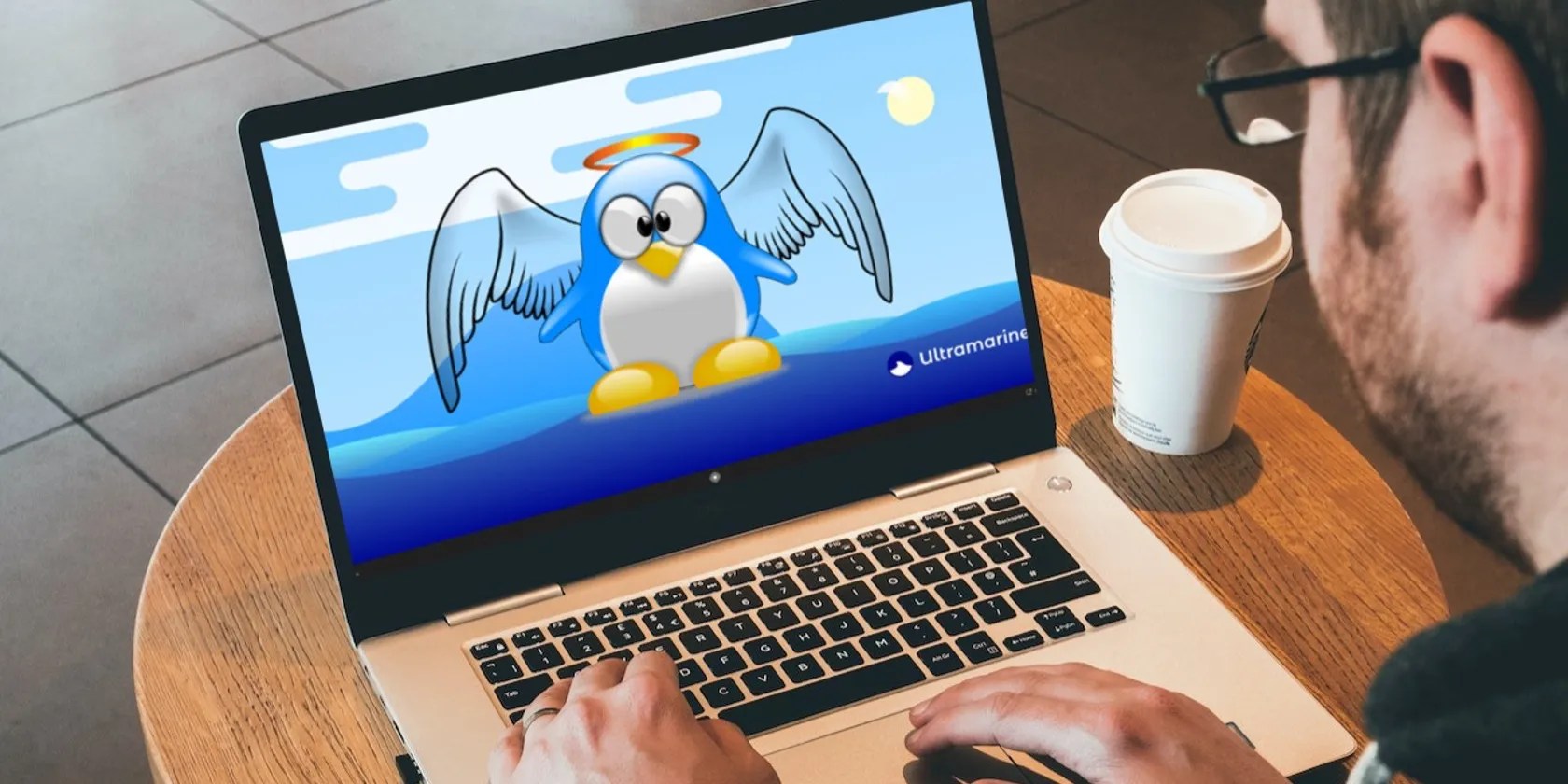
While limited packages are available for Ultramarine Linux, the developers hope to add more to the existing software repository soon. In short, Ultramarine isn’t just an ordinary Fedora-based Linux distribution.
Here’s what the developers have to say about Ultramarine Linux 38 OS:

We aim to ease the user experience by providing a more friendly first-time experience and to make the system “just work” for new and advanced users.
Why Should You Use Ultramarine Linx?
With the introduction out of the way, what are some of the specifics of Ultramarine Linux that make it worthy of your consideration?
1. Desktop Versions
A description of a Linux distro remains incomplete without a mention of its default desktop environments, for this is a large part of what makes a desktop unique. Ultramarine Linux has four desktop flavors: Budgie, KDE Plasma, GNOME, and Pantheon.
Each desktop flavor brings its native features to the forefront. While some desktop options are still in the progression and development stage, others, like GNOME, offer more applications and software maturity.

2. Linux Kernel
This Fedora-based Linux OS works on Linux kernel 6.3 and uses System76’s CPU scheduler to automatically prioritize processes for the end-user. The prioritization schedule improves the desktop’s responsiveness to commands and makes it more efficient for regular usage.
The scheduling feature is available by default in all four desktop versions.GNOME 44’s list of featuresis unbeatable, making the latest desktop environment rank high among the list of preferred desktop environments within the Linux fraternity.

Within Ultramarine’s desktop ecosystem, GNOME can automatically detect open applications within Ultramarine Linux. This feature is unavailable within the other three environments currently.
To improve the performance and user experience, you will also notice faster startups and shutdown timelines within all available desktop environments.
3. Wallpapers
Wallpapers add an extra bling to the background of your favorite OS, making it an area of focus areas for many Linux distros. Ultramarine’s developers aren’t behind in this race, as their collection of wallpapers will enhance your user experience and take it up a notch.
You can always usedifferent Linux apps to download and manage your wallpapersto make your desktop even more lively.
4. Package Managers
Flatpak is the default out-of-the-box package manager, allowing you to download and install some of the most recent software on your new OS.Flatpak gives Linux users plenty of reasonsto download software via this format.
However, Ultramarine’s developers have already included some of the most updated software versions by default. To install an application using Flatpak, you must install via GNOME Software, AppCenter, or theflatpakcommand.
5. Language Support
In addition to other languages like English, Ultramarine Linux 38 provides enhanced support for Thai and Khmer languages to serve its local audience.
6. Upgrading Directly From Fedora
You can migrate to Ultramarine Linux directly from your Fedora distribution using the following commands:
Use thewgetcommand to download the script on your Fedora OS.
Add executable permissions with thechmodfunction:
Finally, run the script with the following command:
Follow the on-screen instructions to migrate to Ultramarine Linux.
Alternatively, you could install the ISO image on a virtual machine to download and try the OS before booting your system directly. The ISO images are available on the Ultramarine website for download.
Download:Ultramarine Linux
Fedora Offers Alternative Spins for the Common Linux User
Let’s face it; Fedora is more challenging than it seems. But Fedora serves as a great base for other distros to build upon.
If you like a challenge and are up for using some of the most varied desktops on your Fedora machine, it’s time to get your hands dirty with some of the many available desktop versions.
Want to give your Fedora distro a new look? Here’s how to install a new Linux desktop environment on Fedora and which ones to try.
Make sure you don’t miss these movies and shows before Netflix removes them.
Quality apps that don’t cost anything.
Some subscriptions are worth the recurring cost, but not these ones.
You can block out the constant surveillance and restore your privacy with a few quick changes.
Anyone with more than a passing interest in motorsports must see these films.
