The iPhone 14 Is eSIM-Only: Here’s What That Could Mean for the Future
Apple recently announced its iPhone 14 lineup at its Far Out event. While there aren’t many significant upgrades compared to the iPhone 13, one thing has caught the attention of some users—Apple has dropped the physical SIM card slots for its US models, switching to eSIMs instead.
Sign up forfree
Forgot your password?
Create an account
*Required: 8 chars, 1 capital letter, 1 number
By continuing, you agree to thePrivacy PolicyandTerms of Use.You also agree to receive our newsletters, you can opt-out any time.

What Is an eSIM?
Phone carriers have traditionally provided customers with a physical SIM card, which allows the carrier to match your device with your account so that you can communicate over their network. SIM cards were originally quite large, but we saw these being cut down to micro-SIMs and nano-SIMs over the years.
Embedded SIM (eSIM) is a technology that makes this all digital—meaning there’s no need for a “physical” SIM card. Instead, it’s possible to permanently install a digital SIM into a mobile device and join the carrier’s network without needing a physical SIM card (usually using a QR code provided by your carrier).

Every iPhone since the iPhone XR has had support for two SIMs, one physical nano-SIM and one eSIM. Feel free to check out our in-depth article on thedifferences between eSIM and SIM cards.
Why Has the iPhone 14 Switched to eSIM-Only?
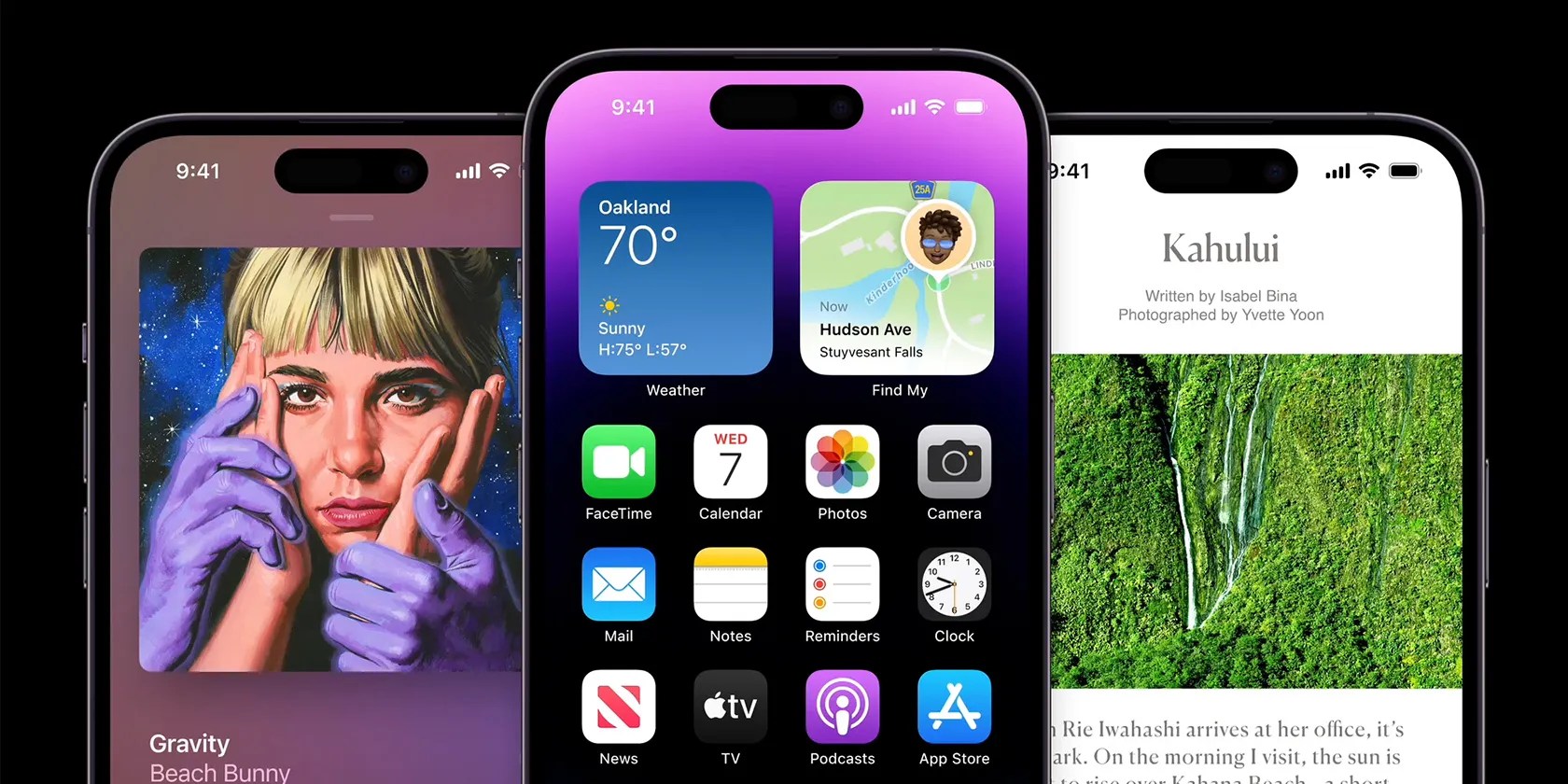
Apple has announced different features across its new iPhone 14 lineup—for instance, thePro models now feature the Dynamic Island, whereas the standardiPhone 14 models still retain the notchthat has existed on the iPhone since iPhone X.
However, one common thing across all US models is that there’s no physical SIM card tray.

Apple has set a precedent with the iPhone 14 lineup by being the first mainstream manufacturer to eliminate the physical SIM from its US iPhone models completely. However, Apple will continue to retain a physical SIM card tray in its other models worldwide.
If you order the iPhone 14 from Apple’s website today, you’ll see the following note next to your order:

“iPhone 14 and iPhone 14 Pro models will arrive ready to activate with eSIM.* Note, these models cannot activate with a physical SIM.”
Apple also toldThe Vergethat the standard iPhone 14 can store up to six eSIMs. However, only two of these can be active at once. On the other hand, the iPhone 14 Pro can store eight.
What Is the Advantage of Using an eSIM?
The most obvious advantage of using an eSIM is that you don’t have to go to a carrier’s store to pick up a physical SIM or wait for one to arrive. You can sign up for a mobile plan and activate it immediately by scanning a QR code or using a carrier’s app.
Similarly, having two SIMs unlocks other useful scenarios. Many users like to use one SIM for a business line and the other for a personal line. Having both of these as eSIMs makes setting these up a bit easier.
Having dual SIMs is also very important when traveling internationally. You can use a local carrier’s plan for data coverage without losing calls and texts to your home number.
What Are the Drawbacks of Having an eSIM-Only Device?
Most large carriers these days offer eSIM support by default, so chances are this might not affect you this much. However, many smaller carriers still require physical SIMs, which is where the absence of a SIM slot will become inconvenient.
More importantly, when you’re traveling internationally, you may choose to purchase a prepaid carrier plan abroad for local network coverage, which is usually only available through a physical SIM card. This is especially evident in developing countries, where eSIMs aren’t that common. Thus, having an eSIM-only device will prove to be problematic.
What Does This Mean for the Future?
Apple has historically set the precedent of abandoning standards for something new. The headphone jack is the most obvious example, with Apple being the first company to eliminate it completely from their phones and other brands following suit shortly after.
After Apple’s iPhone 14 launch, physical SIM cards feel destined to follow the same pattern. It will be interesting to see what other smartphone manufacturers decide to do.
That said, we all should expect a massive increase in eSIM usage. However, as it stands, Apple has also realized that eSIM isn’t as common globally, which is why only the US models have adopted the eSIM-only standard. But if this proves successful, it may choose to implement this worldwide in its future releases.
The iPhone 14 Pro is Apple’s latest and greatest iPhone yet, but should you buy it? We’ll give you some reasons to pull the trigger.
You can block out the constant surveillance and restore your privacy with a few quick changes.
Tor spoiled me forever.
Turn these settings on, and your iPhone will be so much better than before.
These are the best free movies I found on Tubi, but there are heaps more for you to search through.
I gripped my chair the entire time—and then kept thinking about it when the screen turned off.
