ND Filter vs. Polarizer: When to Use Each One for Better Photos
If you’re a landscape photographer, you know that filters are great tools to improve your photography. And the ND and polarizing filters are staples in every landscape photographer’s bag. But the description of these filters sounds very similar, so it can be confusing for beginner photographers to choose the right one.
Let’s take a closer look at these filters and discuss when to use each one.

What Is an ND Filter?
ND or neutral density filters are used to reduce the amount of light going into your camera, allowing you to shoot under bright conditions. A variable ND filter will have stops that you can adjust to reduce the light gradually. You will also find fixed ND filters that reduce a fixed stop of light, like one or eight stops.
There are also graduated ND filters that will let you decrease the brightness only across certain parts of your image. When you want to adjust the sky brightness but leave the land area as is, this is the ND filter for you.
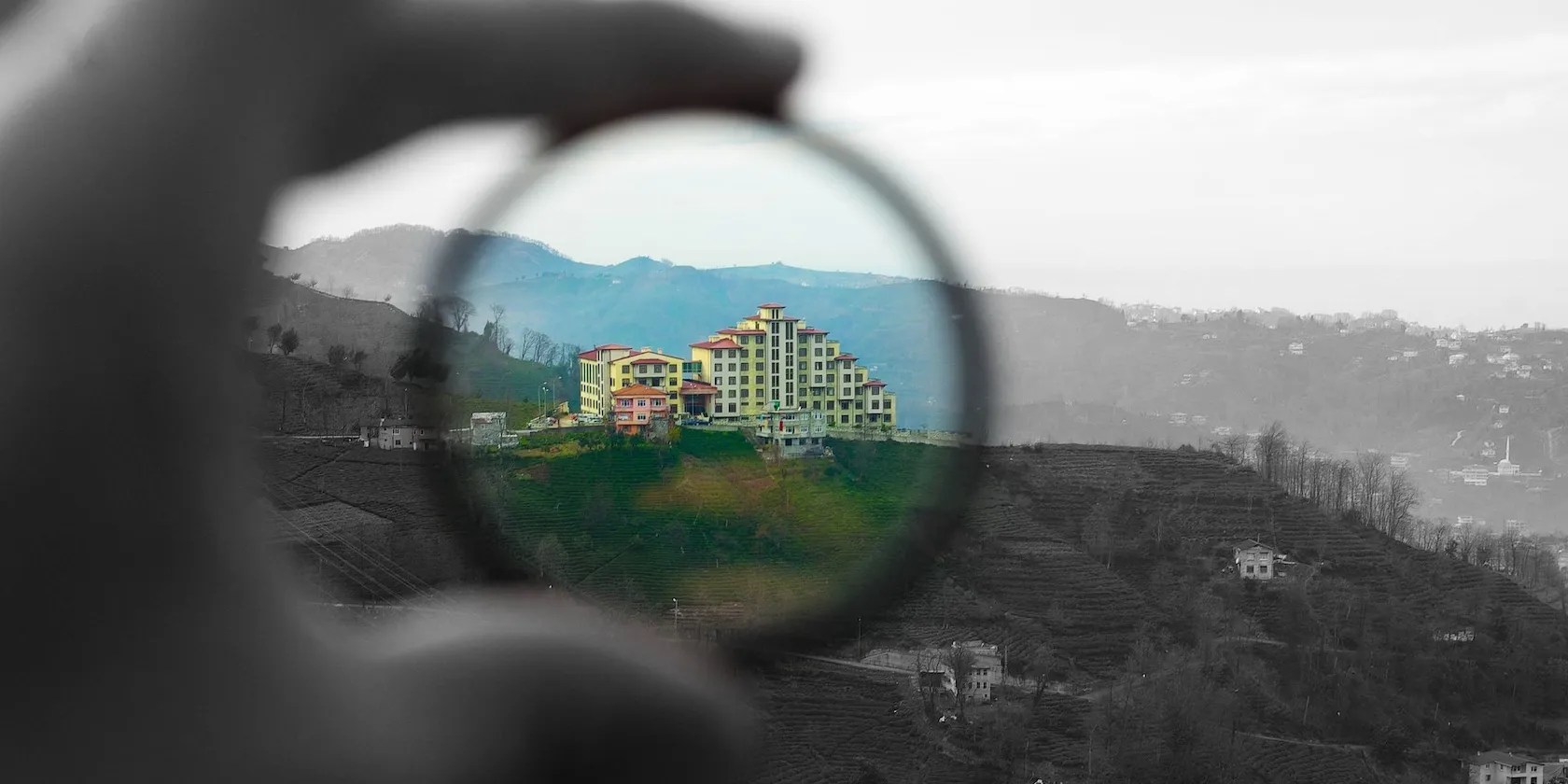
ND filters generally do not impact the color or contrast in your scene. They also don’t change the image quality or sharpness of your images.
Scenarios to Use an ND Filter
Let’s look at some situations when you need an ND filter.
Shallow Depth of Field
An ND filter is the right choice for you if you’re shooting in the middle of the day and want to lessen the amount of light going into your lens without closing the aperture too much. For example, shooting a flower on a sunny day.
If you want to keep the background blurry with ashallow depth of field, just pop in your ND filter.

Creative Motion Photos
The most popular use of an ND filter is for getting beautiful milky water photos. An ND filter can turn a boring waterfall or waves picture into an ethereal image that is intriguing to the viewers. It is also handy for creative dance photos.
If you want to use a slower shutter speed, in the range of seconds, you have to add an ND filter, or else the scene will be too bright.

Outdoor Portraits
We tend to associate ND filters with nature and landscape photography, but they can be used for portraits too. You can use it on bright days to separate the background from your subject and isolate them.
You need an ND filter in your camera bag if you have a fast lens that can open wider than f/2.8 and want to shoot with maximum aperture.

What Is a Polarizer?
Apolarizer or polarizing filterworks by removing light vibrating in all directions and letting in only those vibrating in a specific direction. Its main job is to remove lens flare and glare in your photos.
When you are photographing reflective surfaces like water, glass, jewelry, and so on, a polarizer cancut off any reflections in your photos. It also helps improve the contrast in your scene. Moreover, a polarizer is a preferred tool for darkening the blues in the sky or water.
you may find polarizers in two different types—circular and linear. Linear polarizers were popular before the DSLR days when manual focus was the norm. They don’t work well with a DSLR’s autofocus mechanism. So, circular polarizers are what you should look for if you have a DSLR or mirrorless camera.
After you put a polarizing filter on your lens, you have to rotate it until you see the desired effect. As polarizers cut off the light, you will need to bump up your ISO by one or two stops to get the correct exposure.
Scenarios to Use a Polarizing Filter
Here are some situations when a polarizer will give you excellent results.
Avoid Glare
You want to use a polarizer to avoid glare on water or see the details underneath clear water. Say you’re shooting fall colors reflected on a lake; adding a polarizer will get rid of the white patches from the sunlight and make the colors pop.
If you’re shooting plants just after the rain, you can see they look shiny with all the light reflecting off the leaves. Put on a polarizer, and you will see that the leaves have a matte look without any bright spots.
Shoot Through Glass
Remember to pack a polarizing filter when you visit an aquarium. When youtake pictures of fish through the aquarium glass, it’s possible to see those pesky reflections too. Adding a polarizer will remove the distracting reflections, giving you crystal-clear fish pictures.
You can also use a polarizer to shoot from glass buildings, through car windows, and so on.
Boost Contrast
A polarizer is a vital piece of gear in a landscape photographer’s bag for bringing out the colors in the scene. It can make the blue color in the skies and water pop by removing unwanted light.
Polarizing filters also cut off haze when shooting faraway subjects like mountains. If you find that your pictures are too dark for your liking, you can rotate the filter to adjust the degree of polarization.
Using an ND Filter and Polarizer Together
Both ND filters and polarizers have threads to go on your lens, so you can add them on top of each other. Although you may not use them together often, you may need to sometimes. For example,shooting a water bodyon a bright sunny day.
However, be prepared to handle the reduction in stops of light due to adding the filters. Also, make sure to get the highest quality optics possible to avoid issues in the image quality.
Know When to Use the Right Filter
Both polarizers and ND filters are powerful tools for any photographer. The tricky thing is knowing when to use which one. Now that you know the difference, you may pick the right tool for your needs.
Pick the ND filter for bright days when you want to darken the scene or for creative motion effects. A polarizer is what you need if you want to remove glare and unwanted reflections from your images.
If you shoot outdoors on the regular, these lens filters are a must-have.
I plugged random USB devices into my phone and was pleasantly surprised by how many actually worked.
You don’t need to fork out for expensive hardware to run an AI on your PC.
It’s not super flashy, but it can help to keep your computer up and running.
Quality apps that don’t cost anything.
Goodbye sending links via other apps.
